


Trauma
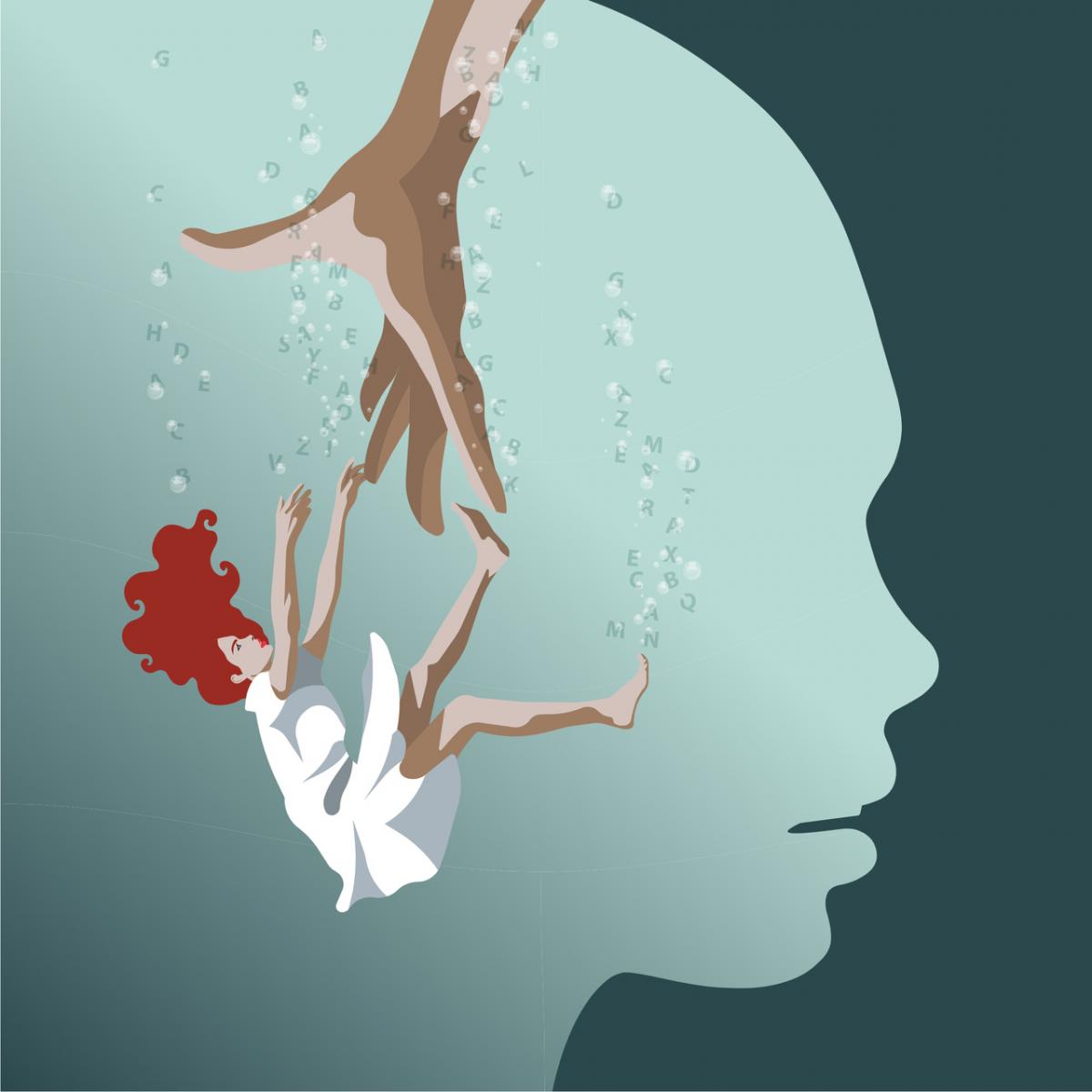
Traumatic events are situations in which the experienced stress significantly exceeds a person’s ability to cope with it. Trauma should be distinguished from everyday difficult situations. For each person, a different event may turn out to be traumatic, which is why clearly classifying situations that carry the risk of trauma is not easy. Due to rapidly progressing civilizational changes, traumatic experiences are being diagnosed in an increasing number of people.
What is trauma?
Trauma arises as a result of intense experienced stress caused by an event that significantly exceeds a person’s ability to cope. Trauma may be the result of various psychological injuries occurring throughout life or may be caused by a sudden strong stressor. Experiencing trauma is associated with feelings of helplessness, loss of control, fear, and terror. Importantly, even witnessing a traumatic event may result in traumatic stress and consequently post-traumatic stress. The consequences of trauma, such as recurring intrusive thoughts related to traumatic experiences, insomnia, or nervousness, significantly hinder everyday life and often make normal functioning in society difficult. When post-traumatic stress resulting from a traumatic experience intensifies, we speak of the so-called post-traumatic stress disorder (PTSD).
Trauma diagnosis
According to the international classification of mental disorders DSM-V, in order to diagnose the occurrence of a traumatic event, the following circumstances must occur, with at least one of them being present:
- direct experience of a traumatic event,
- witnessing a traumatic event in person,
- indirect experience through receiving information about a threat to a loved one,
- repeated or extreme exposure to traumatic experiences, e.g., as a result of one’s profession. This point excludes exposure resulting from watching television, photos, or films.
Types of trauma
Trauma can be caused by various situations and factors. This depends on the individual predispositions of each person. A situation that is traumatic for one person may be only a highly stressful event for another. Trauma may result from factors independent of humans as well as those caused by human actions. Traumatic experiences caused by human actions are usually more difficult to work through in the therapeutic process.
Factors and situations most often leading to trauma include: the unexpected death of a loved one, being involved in or witnessing a traffic accident, being a victim of assault, physical or psychological violence, participation in war activities, or experiencing disasters such as plane crashes.
Trauma caused by the sudden death of a loved one
The sudden loss of a loved one is a factor strongly predisposing a person to trauma. Every death is a highly stressful situation, but one that we do not expect and cannot prepare for often leads to serious consequences in the form of significant emotional imbalance.
Trauma caused by a traffic accident
People who have participated in or witnessed a traffic accident often experience intense anxiety, which prevents them from returning to their previous level of functioning. Trauma resulting from such events may be even stronger when we were responsible for the accident and contributed to the loss of life or health of others.
Trauma caused by experiencing violence
Experiencing any form of violence is a predictor of trauma. Research shows a significant relationship between the duration and frequency of acts of violence and the severity of experienced trauma. People who experience long-term traumatic events are more likely to develop post-traumatic stress disorder.
Trauma caused by participation in war activities
Participation in war activities is one of the most common causes of trauma and the development of post-traumatic stress disorder. People involved in war are exposed to long-term stress caused by direct threats to life and health and often witness the death of others. These experiences may return even after the stressors disappear, making normal functioning in society difficult.
Trauma caused by experiencing a disaster
Various disasters and natural catastrophes (such as floods, earthquakes, or fires) are events that threaten life and health. They are also sudden and unexpected situations. As a result, people who have experienced such disasters often feel constant fear that the situation may happen again. To prevent ongoing stress from developing into a more chronic condition, it is essential to seek help from a specialist who can assist in processing the traumatic event.
Trauma therapy – who is it for?
Many people experiencing difficulties wonder “how to overcome trauma?” or “how to process trauma?” in order to enjoy life again. Research indicates the very negative impact of trauma on the psyche, which is why it is important to begin the therapeutic process as soon as possible.
The field of psychology that deals with trauma treatment is psychotraumatology, also known as trauma psychology. Specialists in this field help restore well-being after traumatic events and support individuals in processing past experiences that negatively affect their current life. Trauma therapy is intended for people who have experienced or witnessed a traumatic event that significantly worsened their daily functioning and well-being.
Trauma treatment
Trauma treatment is usually a long-term process that depends on the individual characteristics and experiences of the patient. In some cases, pharmacological treatment is used, but the main form of help is psychotherapy. Another method of support for people experiencing traumatic events is crisis intervention, in which a psychologist provides immediate assistance to a person in crisis.
Crisis intervention
Crisis intervention is a short-term form of support aimed at providing rapid, immediate help to a person in a crisis situation. The main goal of crisis intervention is to help restore psychological balance and prevent the stress response from developing into a more chronic condition. A crisis intervention specialist is a qualified psychologist or psychotherapist who has received specialized training in crisis intervention. In many cases, assistance is provided by interdisciplinary teams consisting of specialists from different fields.
Trauma psychotherapy
Trauma therapy usually includes at least several sessions with a psychotherapist. In most cases individual psychotherapy is used, sometimes combined with group psychotherapy.
The most commonly used approach in trauma therapy is cognitive-behavioral therapy. The therapeutic process is based on revisiting traumatic experiences in controlled and safe conditions in the psychotherapist’s office. This is a crucial element because traumatic experiences are often repressed by patients, which causes them to return uncontrollably in dreams or in the form of so-called flashbacks (re-experiencing the traumatic event).
An important aspect of the therapeutic process is changing the perception of oneself from “being a victim” to “being a survivor.” Thanks to this shift, a person who has experienced trauma stops focusing all their attention on the harm they suffered, which helps change their perspective on the world and the consequences of the traumatic event.
Recovering from trauma is not an easy process, but it is essential for regaining joy in life and improving everyday functioning.