

Procrastination
What Is Procrastination?
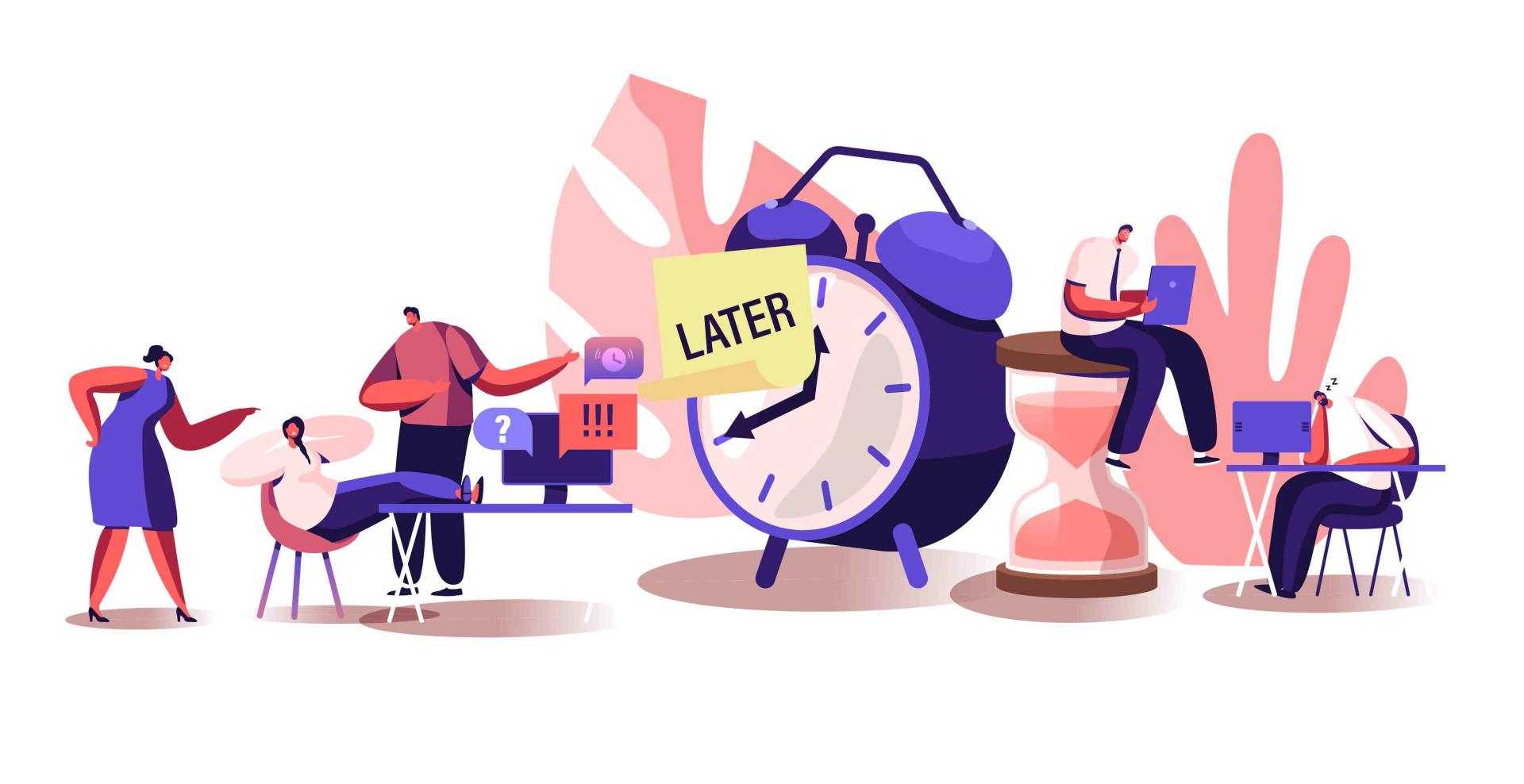
Delaying tasks is a common part of human behavior. Procrastination is commonly described as “putting things off” and “doing things at the last minute.”
Procrastination means doing something less important despite the negative consequences of not completing the original task, goal, or obligation. It involves making a decision without a valid reason to delay or not complete a task, goal, or commitment that was previously undertaken.
Everyone procrastinates. However, problematic procrastination can be distinguished from more general procrastination because it leads to a range of negative consequences. Procrastination is often confused with laziness.
What Are the Sources of Procrastination?
Procrastination can occur in many different areas of life. It may involve tasks or goals in areas such as work, household responsibilities, education, health, finances, social matters, family life, relationships, personal development, and decision-making.
In fact, the source of procrastination can be any task we need to complete, any problem we need to solve, or any goal we want to achieve. For many people, there are areas of life where they function efficiently and areas where procrastination dominates.
Procrastination — How Does It Work?
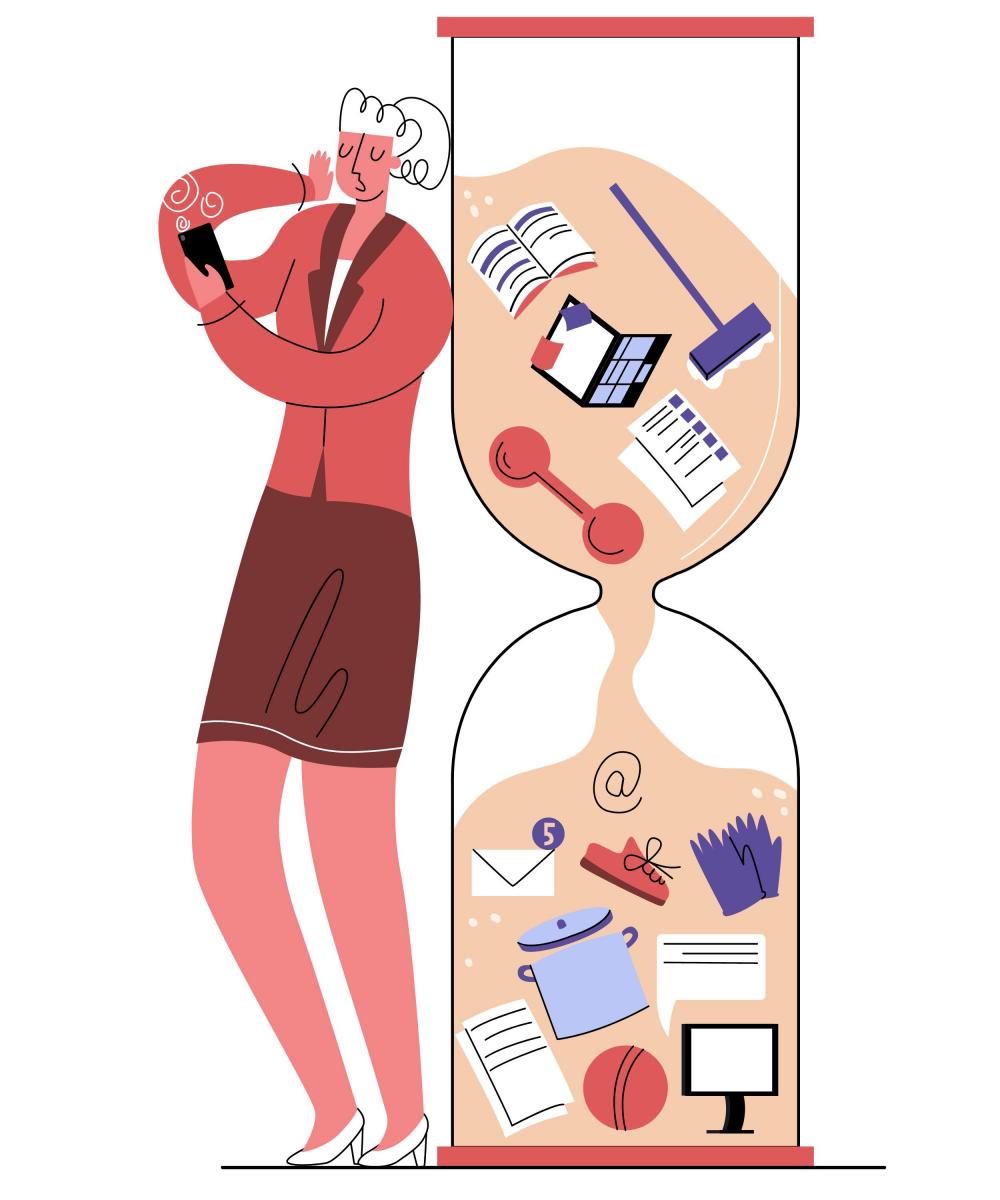
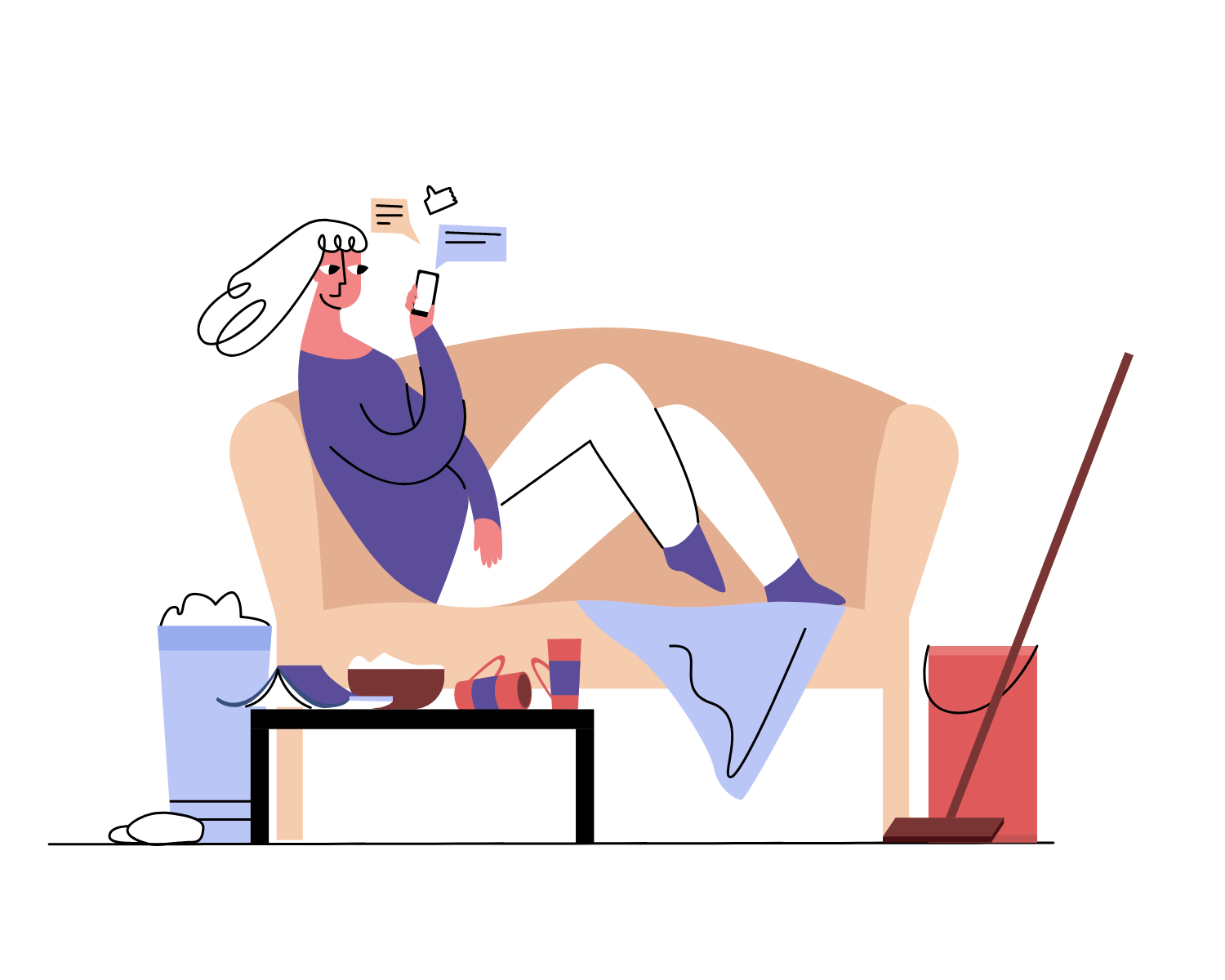
Procrastination behaviors involve performing substitute activities instead of the key obligation, task, or goal that should be completed. These substitute activities may include watching movies, reading, browsing the internet, or performing lower-priority tasks such as sorting, cleaning, checking emails, attending social meetings or conversations, or engaging in distractions such as sleeping, eating, smoking, or daydreaming.
Procrastination — Why Do We Delay?
People procrastinate because they have unhelpful habits and inaccurate ways of perceiving themselves or their environment. Dysfunctional rules and assumptions often generate a certain level of discomfort related to performing a task or obligation. Feelings such as anger, frustration, boredom, anxiety, fear, embarrassment, despair, exhaustion, depression, and others may appear.
Procrastination becomes a strategy to avoid this discomfort and the negative emotions that may arise when we have to take action. On the other hand, procrastinators often experience stress and feelings of guilt because of missed deadlines or unfinished tasks.
Procrastination — Examples of Dysfunctional Rules or Assumptions
- Excessive need for control
Example: “Things should be done my way. I shouldn’t have to do things I don’t want to do or just because someone tells me to.”
- Pleasure seeking
Example: “Life is too short to do boring or difficult things. Fun should always come first.”
- Fear of failure or disapproval
Example: “I must do things perfectly. Otherwise, I will fail or people will think badly of me.”
- Fear of uncertainty or catastrophe
Example: “I must be certain about what will happen. What if something goes wrong? It’s better to do nothing than take the risk.”
- Low self-esteem
Example: “I can’t do this. I’m simply too incapable and inadequate.”
- Lack of energy
Example: “I can’t do things when I feel stressed, tired, unmotivated, or depressed.”
Procrastination — Consequences
Positive consequences of procrastination, such as relief from the discomfort associated with performing a task, feeling good about maintaining unhelpful rules and assumptions, and enjoying procrastination activities, act as rewards that maintain procrastination.
Negative consequences of procrastination include increased discomfort, feelings of guilt or shame, reinforcement of dysfunctional rules and assumptions, self-criticism, and an accumulation of unfinished tasks.
Interestingly, punishment can also maintain procrastination. Negative consequences make the task even more aversive and unpleasant, so the next time procrastination appears to be an attractive option.