


Emotional disorders
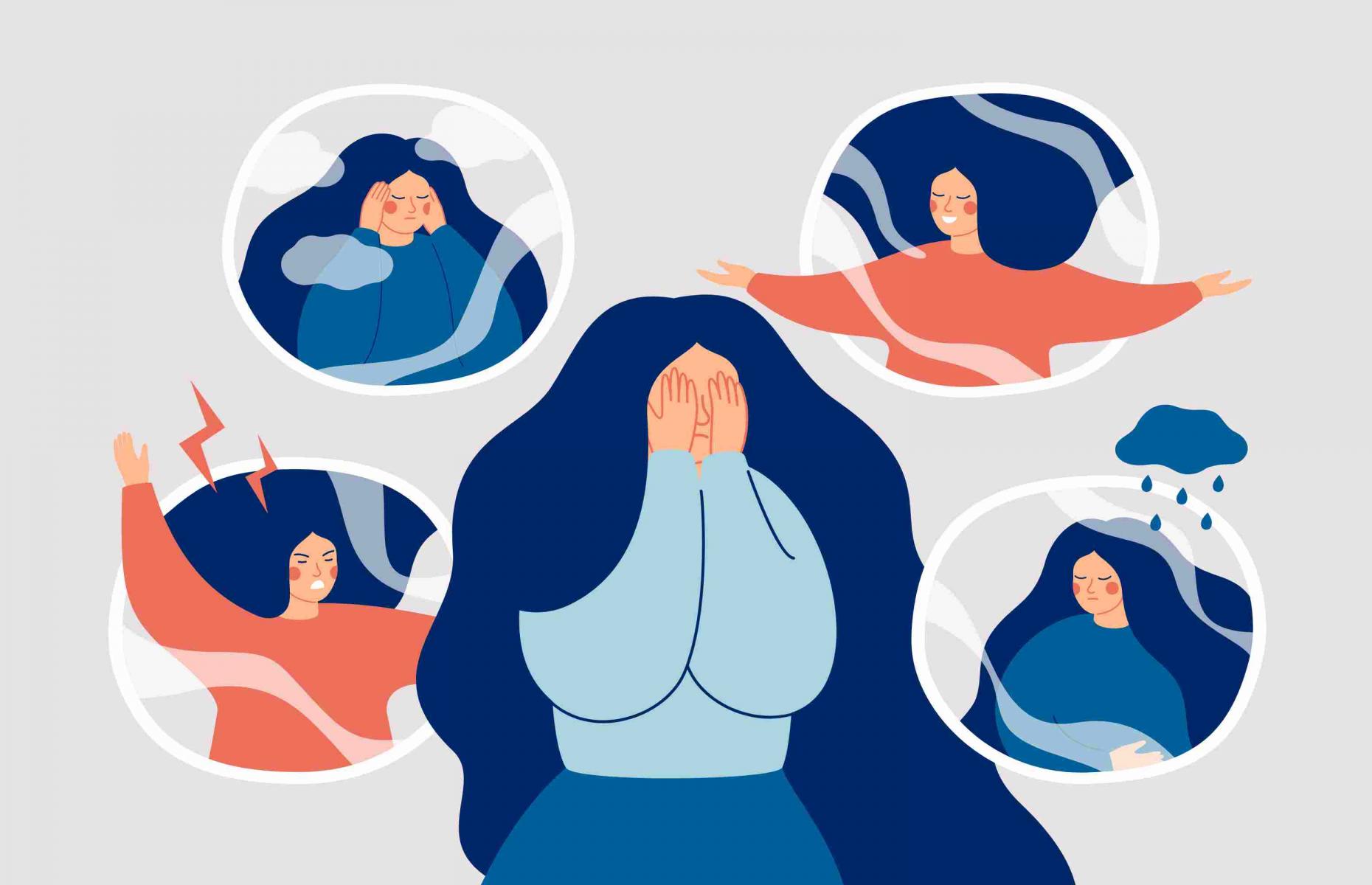
Emotions are a natural state that appears in response to situations that are important to us. They are necessary and essential for maintaining our psychological well-being. Unfortunately, sometimes irregularities occur in the way emotions function, which may result in emotional disorders.
What are emotional disorders?
Emotional disorders are a broad group of conditions that include, among others, depression, eating disorders, phobias, bipolar affective disorder, anxiety disorders, and neurosis. Emotional problems may occur in adults as well as in children and adolescents. In children, emotional disorders are most often associated with so-called reactive attachment disorders, separation anxiety, and various types of phobias.
The occurrence of emotional disorders is related to an intensified emotional reaction that is inadequate to the situation or a lack of emotional response to environmental stimuli. People with emotional disorders often experience mood swings, difficulties expressing emotions, and feelings of anxiety, which significantly reduce well-being and make everyday functioning more difficult.
What are the most common causes of emotional disorders?
Due to the wide range of conditions included in emotional disorders, their causes may vary depending on the specific type. In most cases, the development of emotional disorders involves the coexistence of biological and psychological factors.
Biological factors
The cause of emotional disorders may be irregularities in neurotransmitters in the brain. These may include reduced availability of neurotransmitters such as serotonin, norepinephrine, and dopamine, whose decreased levels can affect mood and motivation.
An important biological factor influencing emotional disorders may also be abnormalities in brain structures (especially the amygdala) responsible for emotional responses.
There is evidence that emotional disorders may have a genetic basis. This means that some individuals may have a certain predisposition to developing disorders from this group. However, this predisposition only increases susceptibility and does not determine that the disorder will occur.
Psychological factors
In addition to biological factors, psychological aspects also play a significant role in the development of emotional disorders.
Their causes may include traumatic experiences in the past, difficult life situations, or chronic stress. In children and adolescents, emotional disorders may result from a lack of family support, lack of a sense of security, low self-esteem, conflicts within the family, lack of acceptance for expressing emotions, overprotective parenting, or exposure to violence.
Symptoms of emotional disorders
The symptoms of emotional disorders vary depending on the specific condition affecting an individual. The most common symptoms include:
- emotional instability,
- sleep problems,
- constant fatigue,
- difficulties with concentration and focus,
- decreased or increased psychomotor activity,
- in children – inability to remain without the presence of a parent (separation anxiety),
- in children – stomach aches, anger outbursts, or vomiting in response to separation from a parent,
- children with emotional disorders may experience episodes of bedwetting,
- in anxiety-provoking situations – panic attacks, shortness of breath, or trembling hands,
- inadequate emotional reactions to situations,
- both children and adults may exhibit aggressive behavior during emotional disorders (in children this may be a symptom of depression).
Diagnosis of emotional disorders
Because emotional disorders include a wide range of conditions, diagnosis is based on diagnostic criteria characteristic of a specific disorder. Due to the variety of emotional disorders, diagnosis sometimes requires time and participation in several psychiatric or psychological consultations. During consultations, the specialist collects a detailed medical and psychological history and, in some cases, may conduct psychological tests to better assess the person’s emotional state.
Diagnosing emotional disorders is extremely important because it allows appropriate and timely treatment tailored to the specific condition.
How are emotional disorders treated?
The methods used to treat emotional disorders depend on the symptoms experienced by a particular individual. Treatment usually involves a combination of psychotherapy and pharmacological treatment. The most commonly used forms of psychotherapy are cognitive-behavioral therapy and psychodynamic therapy.
Psychotherapy aims to develop new behavioral patterns and change maladaptive beliefs about oneself and the surrounding world. During therapy, a person with emotional disorders learns to properly recognize their emotional states, accept them, and gradually regain control over them.
In some cases, pharmacological treatment is necessary. The most commonly prescribed medications include antidepressants, anti-anxiety medications, and sedatives.