


Therapy after the loss of close help
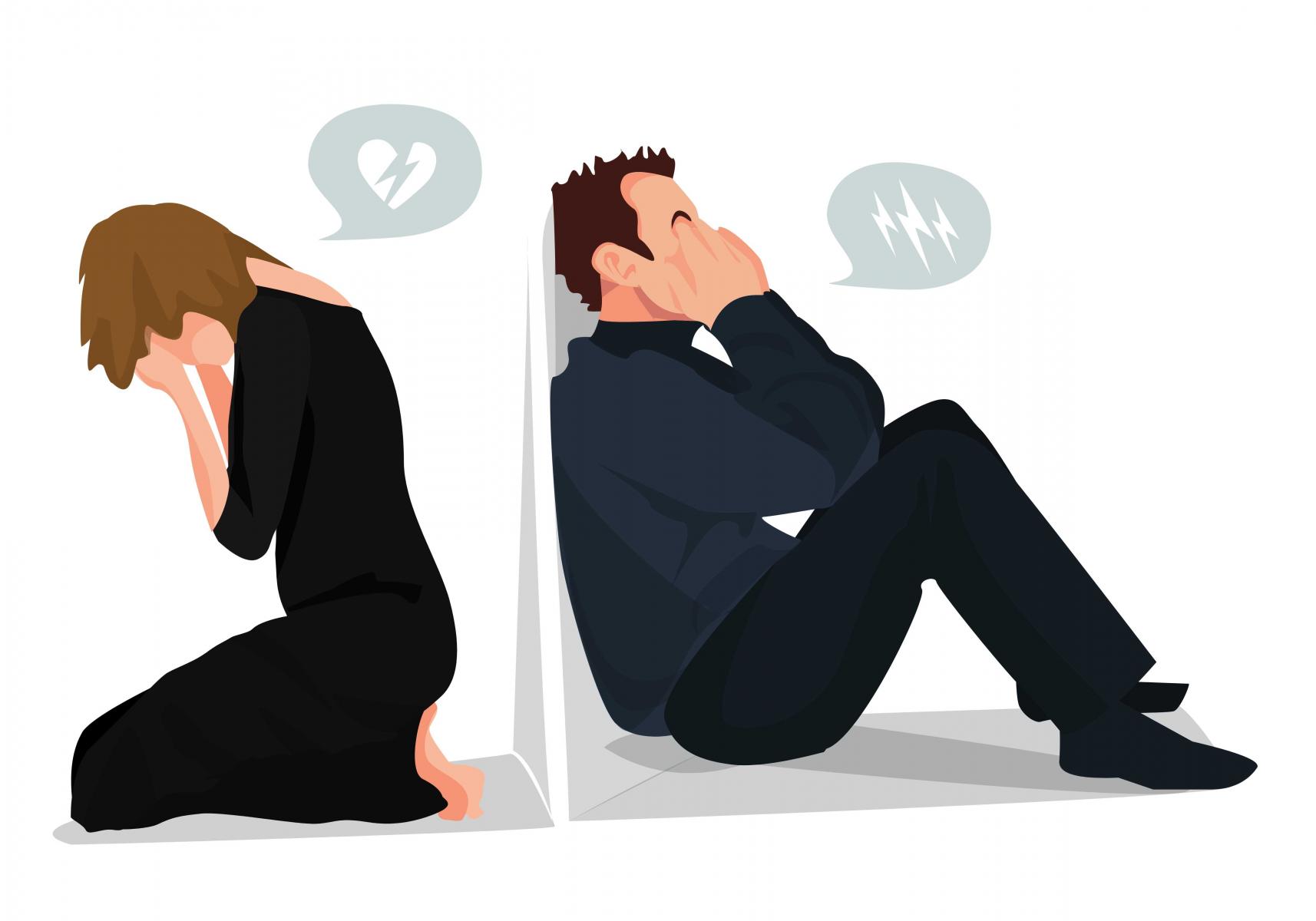
The loss of a loved one is associated with experiencing many negative emotions. The consequence of such a loss is grief, and going through the grieving process is an essential element that enables a person to return to normal functioning. The grieving period after a loss usually lasts one or two years, although this time may vary depending on an individual’s personal predispositions.
Grief after the loss of a loved one
The loss of a loved one initiates the grieving process. Although it leads to a significant lowering of mood, it is not a disease but a normal reaction to the death of someone close. Its purpose is to accept the loss and learn how to live without the presence of the beloved person. Because the death of a loved one is experienced differently by every individual, the grieving process may vary from case to case. The circumstances surrounding the death as well as individual personality traits may influence this process.
People suffering from the loss of someone close usually experience grief, bitterness, anger, sadness, and a sense of loneliness. All of these emotions may appear alternately and significantly affect everyday functioning. The loss of a loved one often results in withdrawal from family and social life. Going through the grieving process allows a person to find their place again in the surrounding reality and begin life without the presence of the deceased.
Stages of grief
Although grief may unfold individually for each person, there are certain stages that occur in most people.
1. Shock and disbelief
This stage occurs immediately after the loss. It is characterized by numbness and emotional shock in response to the news of a loved one’s death. Some people may also experience emotional distance and disturbances of awareness.
2. Denial
This is the stage in which a person denies and does not allow themselves to accept the fact of the loved one’s death. It is a natural defense mechanism of the body that protects us from difficult experiences we are not prepared for. The denial stage appears shortly after the death of a loved one and usually lasts several days.
3. Anger
In the third stage, the defense mechanism of denial stops working and the person becomes aware of the loss. As a reaction, anger, rage, and a sense of injustice may appear. A grieving person may direct anger toward the surrounding world, but also toward the deceased, blaming them for leaving. The duration of this stage depends on the type of bond with the deceased and may last up to several months.
4. Bargaining
At this stage, the grieving person may try to negotiate with the universe or with God in an attempt to restore the deceased person’s life. Their thoughts revolve around situations that could have happened or actions they could have taken differently. At some point, the grieving person realizes that it is impossible to bring their loved one back, which may lead to feelings of guilt or remorse.
5. Depression
This stage is characterized by deep sorrow after the loss of a loved one. The dominant emotions are sadness, a lack of meaning in life, and feelings of hopelessness. Depressive symptoms may appear in the grieving person, which is why support during this period is extremely important. This support may come from family and friends or from a qualified psychologist or psychotherapist.
6. Acceptance
At this stage, acceptance of the loss of a loved one begins to develop. This results in gradual improvement in everyday functioning, a return to previous activities, and renewed interest in social life. The grieving person regains emotional balance and learns to live without the presence of the deceased. This stage marks the end of the grieving process.
When is help from a psychologist or psychotherapist needed?
Because the loss of a loved one is a crisis situation, people in grief often ask themselves questions such as: “How can I cope with the death of a loved one?” and “How can I live after the death of someone I loved?”. In many cases, support from family and friends helps people through this crisis, but there are situations in which professional help becomes necessary.
Sometimes after the loss of a loved one, a grieving person does not allow themselves to experience emotions. As a result, the grieving process cannot proceed properly. This may lead to a lack of acceptance of the death and a gradual deepening of despair. There may be isolation from the outside world, prolonged low mood, and neglect of daily responsibilities.
For some people, the loss of a loved one may lead to trauma after death, especially in cases of sudden and unexpected loss. Such situations often require therapeutic work with a psychotherapist. In consequence of the loss, excessive anger may also appear, sometimes directed toward oneself, which may result in self-destructive behaviors or suicidal tendencies.
Psychological support during grief is essential when the grieving process does not progress properly and when everyday functioning significantly deteriorates. A psychologist or psychotherapist can provide support in navigating the crisis and help a person work through the loss while confronting their fears and emotions.
Therapy after the loss of a loved one
Therapy after the loss of a loved one helps individuals get through a difficult period in their lives. It usually begins with psychological consultations aimed at initially understanding the problem situation. During therapy, a grieving person has the opportunity to express emotions related to the death of a loved one and confront them in a safe environment such as a psychotherapy office.
During psychotherapy, the patient learns how to use their own internal resources to cope with the crisis situation. A good solution for people struggling with the loss of a loved one may also be participation in group psychotherapy. In group therapy, participants share similar problems, which allows them to create a support group that can help them overcome the crisis.